How to Build a Memorable Jamaican Food Menu
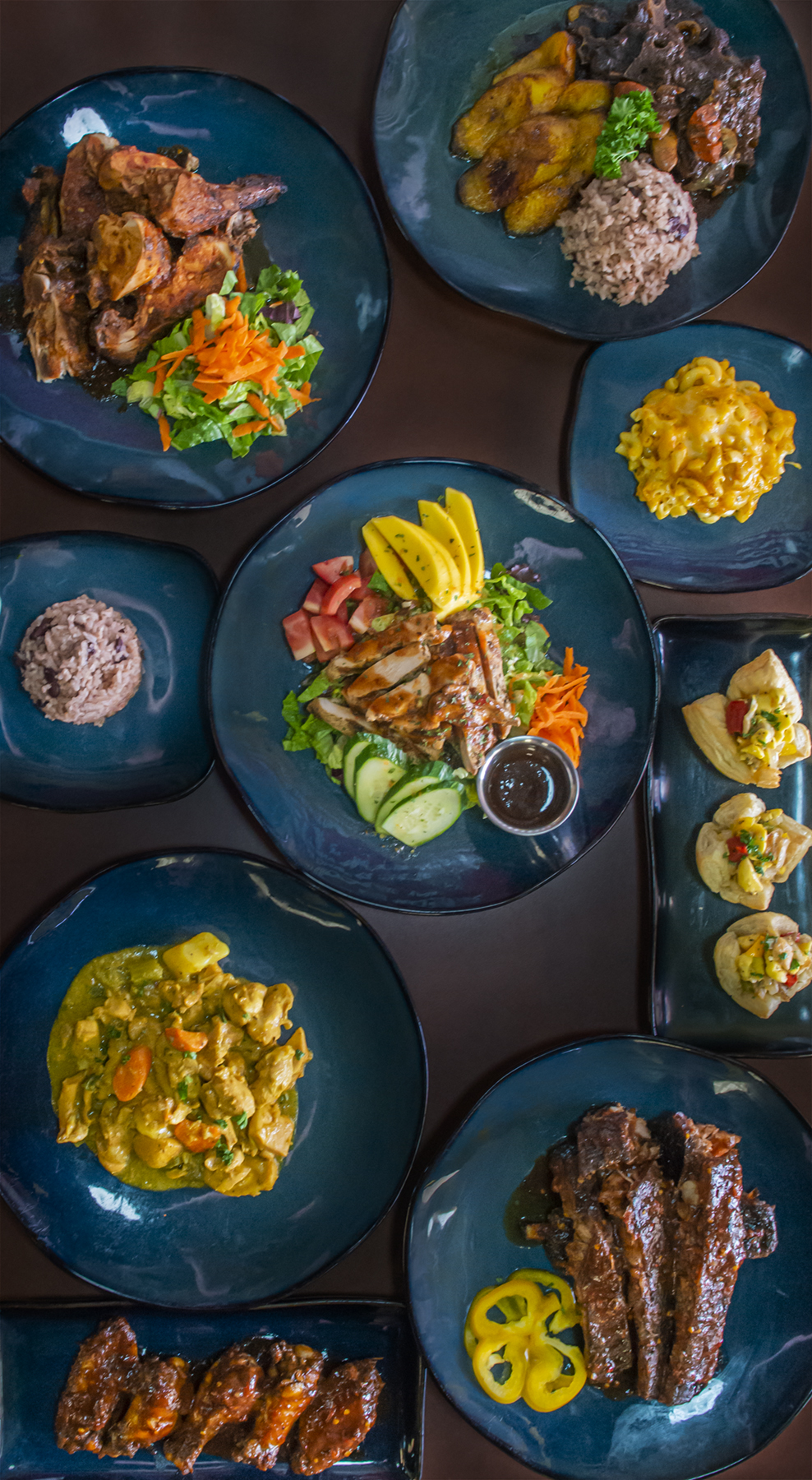
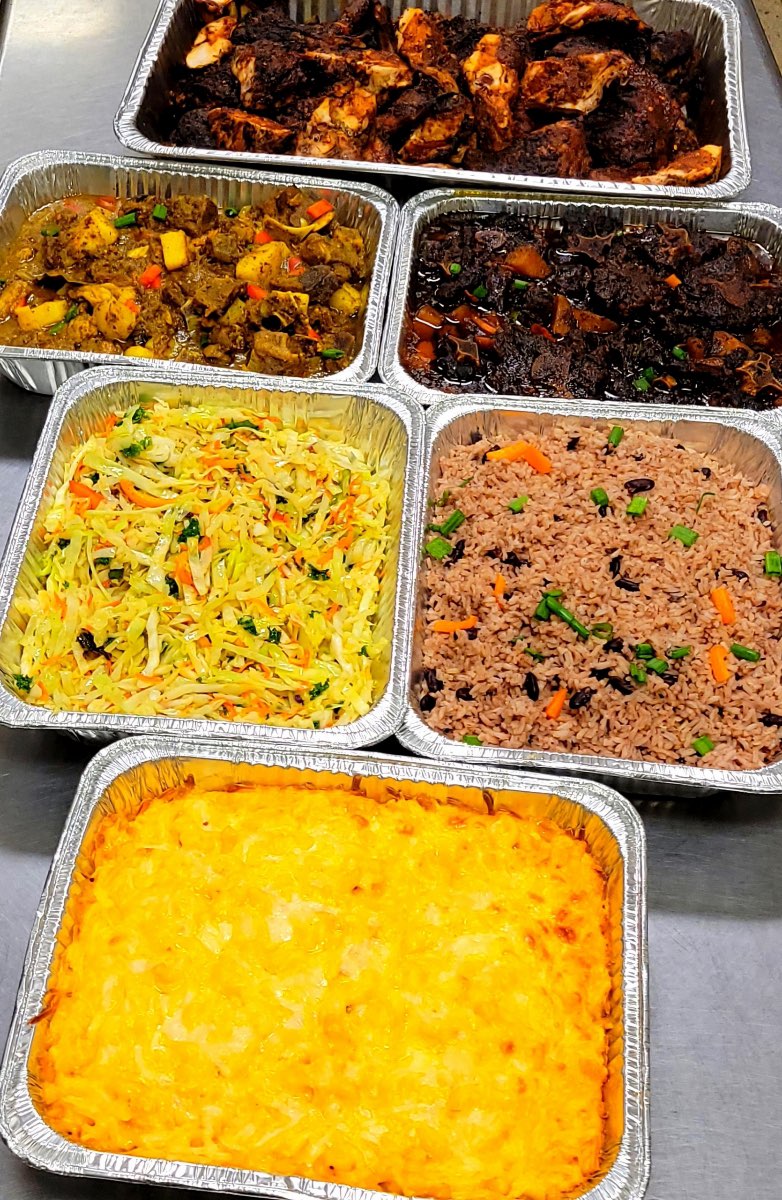

A memorable Jamaican food menu does more than name a few familiar dishes and lean on the flag colors for decoration. It tells guests what kind of experience they are about to have. It sets expectations for heat, sweetness, smoke, texture, portion size, and pace. Most importantly, it respects the cuisine enough to present it with clarity instead of reducing it to a handful of clichés.
I have seen menus miss that mark in both directions. Some play it too safe and serve a watered-down version of Jamaican food that feels generic by the time it reaches the table. Others try to include every classic dish at once and end up with a kitchen that cannot execute consistently. The sweet spot is a menu that feels rooted, focused, and generous, one that gives first-time guests an easy way in while still offering enough depth to satisfy people who know the cuisine well.
Building that kind of menu takes more than good recipes. You need a point of view, a workable kitchen flow, a feel for your audience, and the judgment to know which dishes should anchor the menu and which should rotate. Jamaican food is bold, but a good menu is not loud for the sake of it. It has rhythm.
Start with a clear identity, not a random mix of dishes
Before you write a single menu line, decide what kind of Jamaican food operation you are actually building. A fast-casual lunch spot needs a very different menu from a full-service restaurant, a catering company, or a beachside takeaway. If you skip this step, your menu ends up confused. You might offer soups that take time to plate, fried snacks that must be served instantly, large-format braises, and breakfast dishes all at once. That sounds exciting on paper, but it creates stress in service and inconsistency on the plate.
A good identity answers practical questions. Are you centered on grilled meats and rice bowls? Are you showcasing home-style stews and weekend specials? Are you leaning into street food, bakery items, and patties? Are you cooking for a neighborhood with deep Caribbean roots, or are you introducing Jamaican food to guests who may only know jerk chicken? Each answer shapes the menu in a different way.
The strongest menus usually have a spine. In Jamaican food, that spine could be jerk, could be braised dishes, could be all-day comfort plates, or could be a tight combination of grill, starch, and sauce. Once that spine is clear, the rest of the menu can support it instead of competing with it.
Know what guests are really looking for
Guests rarely order from cultural curiosity alone. They order based on appetite, familiarity, value, and confidence. If your menu is full of dish names that mean something to insiders but nothing to newcomers, people hesitate. If every item sounds similar, they default to the one thing they recognize. If the menu lacks explanation, heat warnings, or side descriptions, you force the server to do too much interpretive work.
That does not mean flattening the language or sanding away authenticity. It means writing with purpose. “Jerk chicken with rice and peas” is clear. “Brown stew snapper, slow-simmered with onion, tomato, thyme, and sweet pepper” gives enough detail for someone who has never ordered it before. “Ackee and saltfish” should stay ackee and saltfish, but a short description helps guests understand why it matters and what to expect.
When I review menus, I look for friction points. Is there a way for a first-time guest to build a satisfying meal in under thirty seconds? Can a regular quickly spot what is new? Can someone judge whether a dish is rich, spicy, fried, grilled, or slow-cooked? These small questions shape sales more than operators sometimes realize.
Choose signature dishes that can carry the brand
Not every classic needs to make the opening menu. A memorable Jamaican food menu often becomes stronger when it narrows its focus and executes a smaller set of dishes extremely well. Signature dishes should reflect both the cuisine and the kitchen’s strengths. They should also hold up under volume.
Jerk chicken is the obvious example, but obvious is not a problem if the product is excellent. Done right, it gives you smoke, heat, sweetness, color, and aroma in one dish. It also creates identity before guests even sit down. The smell from a proper jerk setup can do more marketing than a paid ad campaign. But if you cannot produce true depth of flavor, with enough time for marination and a cooking method that respects the style, then jerk alone will not save the menu.
Curried goat is another strong anchor, especially for a full-service or catering operation. It communicates patience and richness. Oxtail does the same, though it comes with cost pressure and should be priced carefully. Brown stew chicken is often underestimated, yet it can become a house favorite because it feels soulful and familiar while still tasting distinct. Escovitch fish brings contrast, brightness, and texture, especially useful on a menu with many heavier dishes.
The key is not just cultural recognition. It is operational logic. Signature dishes should be reliable in flavor, manageable in prep, and compelling enough to build word of mouth.
Build the menu around balance, not volume
Jamaican food has plenty of intensity: scotch bonnet heat, allspice, pimento smoke, curry, ginger, thyme, rich gravies, fried elements, and sweet baked goods. A menu becomes memorable when those strengths are balanced rather than piled together.
Think in terms of contrast. If you have jerk pork and curry goat as mains, you may want a cleaner fish option and at least one vegetable-forward plate that feels intentional, not like an afterthought. If your sides are all starches, the meal can feel heavy even when the individual components taste good. If everything is deeply spiced, guests stop noticing the details after a few bites.
A smart menu creates movement across the meal. A sharp slaw can wake up the palate. Fried plantains bring sweetness that softens heat and salt. Callaloo offers earthiness and color. Festival adds comfort and a hint of indulgence. Even drinks matter here. Sorrel, ginger beer, and fresh fruit punches can either cool the palate or intensify spice, depending on how you prepare them.
One of the easiest mistakes is overloading the menu with similar proteins and repetitive side combinations. Four chicken dishes with nearly identical accompaniments do not feel like abundance. They feel like indecision.
Get the foundations right: rice, gravy, slaw, pepper, and bread
Guests remember the headline item, but they judge the restaurant by the details. In Jamaican food, those details carry enormous weight. Rice and peas should not be treated as filler. It should have aroma, proper coconut character, seasoning, and texture. Gravy should not be thin, salty liquid ladled over everything. It should deepen the dish. Coleslaw should taste fresh, not tired from refrigeration. Pepper sauce should have personality, not just heat.
I have had otherwise strong Caribbean meals let down by weak sides. The jerk was good, but the rice was bland. The curry was rich, but the cabbage was overcooked into submission. The fish was beautifully fried, but the escovitch topping lacked snap and acidity. Guests may not always say this directly, but they feel it. They leave thinking the food was “fine” when it could have been unforgettable.
This is where discipline matters. If you only have six https://maps.app.goo.gl/LnpmYamy5BRY1Cs57 or eight side items, every one of them should earn its place. That might mean testing your rice ratio across multiple batches, calibrating sweetness in the plantains, or deciding whether your house slaw should be creamier or more vinegar-driven. Small decisions create a recognizable style.
Write menu descriptions that sell without performing
A lot of menus either overexplain or undersell. Jamaican food benefits from concise, vivid descriptions that clarify what the dish is and what makes your version worth ordering. You do not need a paragraph under every item. You do need enough detail to help guests choose confidently.
Good descriptions usually answer two or three questions at once: what the dish is, how it is cooked, and what it comes with. “Slow-braised oxtail in rich gravy with butter beans, served with rice and peas” is stronger than a bare title. “Whole snapper, fried crisp and topped with pickled vegetables” gives texture and character immediately.
Be careful with generic adjectives. Words like “delicious,” “authentic,” and “flavorful” do very little. Specificity does the work. So do grounded sensory cues: charred, braised, crisp, peppery, gingery, coconut, smoky. If an item is seriously spicy, say so plainly. Guests appreciate honesty more than a challenge.
Menu language also sets the restaurant’s tone. A professional Jamaican menu can sound warm and inviting without becoming gimmicky. Avoid caricature. Avoid forced slang. The food already has personality.
Make room for both gateway dishes and deeper cuts
If you want repeat business, your menu needs an entry point and a reason to come back. That usually means pairing familiar items with dishes that regulars or adventurous guests will seek out. Too much familiarity and the menu feels generic. Too many deep cuts too soon and you limit your audience.
A balanced approach often looks like this:
- A few instantly recognizable anchors, such as jerk chicken, curry chicken, or beef patties.
- Several dishes that show range, such as ackee and saltfish, brown stew fish, or mannish water on the right kind of menu.
- Side dishes with enough identity to become cravings of their own, like festival, coco bread, callaloo, or properly seasoned cabbage.
- Drinks and desserts that complete the story, not just fill space.
- One or two rotating specials that reward repeat visits and let the kitchen showcase seasonality or regional style.
Those deeper cuts should feel deliberate, not ornamental. If you put soup on the menu, make sure someone in the kitchen cares about soup. If you serve breakfast classics, they should be available in a way the operation can sustain. A token dish that is frequently unavailable does more harm than good.
Respect regional style and house style
Jamaican food is not a monolith. Even among classic dishes, seasoning style, sweetness level, heat, texture, and side pairings can vary by household, parish, and cook. That is not a problem to solve. It is part of the cuisine’s life. A memorable menu embraces this by developing a clear house style while still respecting the dish’s character.
Your jerk may skew smokier than sweeter. Your curry may be darker, with more toasted spice. Your escovitch may carry more vinegar bite. Your rice and peas may be richer in coconut. These choices are normal and expected, as long as they are intentional and consistent.
What guests notice most is confidence. A restaurant that knows how it seasons, how it plates, how much heat it wants to deliver, and how it finishes each dish feels trustworthy. That confidence also helps staff speak about the food in a coherent way.
Price with honesty and strategy
Pricing Jamaican food can be tricky because some of the cuisine’s most beloved dishes are also labor-intensive and subject to volatile ingredient costs. Oxtail is the clearest example. Goat can also fluctuate. Seafood carries its own pressures. If you underprice these dishes to appear generous, you risk turning your signature items into margin problems. If you overprice without context, guests hesitate.
The answer is not to hide from premium items. It is to price them transparently and balance the menu with dishes that offer strong value at lower food cost. Chicken, vegetable plates, patties, soups, and side-driven lunches can all support the mix. Portion control matters too. So does menu engineering. If your highest-cost dishes are also the slowest sellers, the menu may need restructuring.
One useful practice is to design a few plate formats that simplify ordering and production. A lunch combo, a standard plate with two sides, and a family tray can cover a lot of needs without forcing the kitchen to improvise every ticket. Guests also appreciate seeing value clearly, especially in casual settings.
Think about service before the menu goes to print
A menu that looks exciting on a laptop can collapse during a busy Friday dinner rush. Jamaican food often involves marination, braising, frying, grilling, and holding at the right texture, which means execution must be thought through in advance. The best menu is one the kitchen can produce beautifully, consistently, and without exhausting the team.
Ask practical questions. Can the grill handle peak volume if half the room orders jerk? Will fried items stay crisp during delivery? Can your rice station support multiple side combinations without mistakes? Are there dishes that taste best after a long hold, and others that fall apart quickly? Can the front-of-house explain every dish with confidence?
I have seen restaurants improve dramatically after trimming just three menu items. Suddenly the prep list made sense, the line moved faster, and the food landed hotter. Guests often interpreted that change as better hospitality, when really it started with cleaner menu design.
Do not neglect vegetarian, pescatarian, and lighter options
A Jamaican food menu does not need to chase every dietary trend, but it does need range. Not every guest wants a heavy braise or a large meat plate. Some are looking for vegetables with real flavor, some want fish, and some simply need a lighter meal at lunch.
The mistake is offering one token salad or a plain side plate and calling it done. A thoughtful vegetable option should feel complete. Curry chickpeas, callaloo with fried dumplings, stewed beans with coconut rice, or a vegetable rundown can all carry substance if they are seasoned properly and plated with care. Fish can fill the same role when prepared with brightness and restraint.
The point is not to make the menu less Jamaican. It is to show the cuisine’s breadth. Jamaican food has always had room for plant-based dishes, seafood, ground provisions, greens, and hearty soups alongside its famous meats.
Use specials to create anticipation, not confusion
Daily or weekend specials are one of the best tools you have, especially if you want to keep the core menu focused. Specials let you test demand, feature seasonal produce, respond to supply changes, and showcase dishes that are too labor-intensive for daily service. They also give regulars a reason to ask, “What are you doing this weekend?”
The strongest specials are coherent with the rest of the menu. Saturday soup, a Friday fish feature, holiday black cake, Easter bun and cheese, or a rotating patty filling all make sense because they extend the house identity. Specials should never feel like leftovers in disguise.
There is also a staffing benefit. A team that knows the rhythm of recurring specials can prep with confidence. A team surprised by random off-menu experiments usually struggles.
Dessert and drinks should finish the story
Many Jamaican menus put all their attention into mains and treat dessert as an afterthought. That is a missed opportunity. A memorable ending can shape how guests remember the entire meal. Rum cake, sweet potato pudding, gizzada, toto, and grater cake all bring texture and heritage. Even one excellent dessert is better than three forgettable ones.
Drinks matter just as much. Sorrel during the holidays can become a draw by itself. Ginger beer, when made with real bite and balance, pairs beautifully with richer foods. Fruit punches can bring color and broad appeal. Even a simple limeade or coconut water offering can round out the meal in a way that feels thoughtful.
These categories also tend to offer good margin when executed well. More importantly, they extend the restaurant’s flavor language beyond the entrée plate.
Train staff to translate the menu into confidence
A good menu on paper still needs people who can bring it to life. Servers and cashiers should know how to describe heat levels, side dishes, common pairings, and portion sizes in plain language. They should know the difference between jerk and curry, between escovitch and brown stew, between festival and fried dumpling. That sounds basic, but it changes sales and guest trust immediately.
When staff can guide a hesitant customer toward a satisfying first order, the whole menu performs better. When they can explain why a dish costs more, or which drink softens the heat, guests feel looked after rather than sold to.
One practical exercise works especially well: have staff taste everything side by side. Not just proteins, but sauces, slaws, rice, drinks, and desserts. Once they understand the full menu as a set of contrasts, their recommendations become more natural and far more useful.
Keep refining based on what people reorder
The first version of your menu is rarely the final one. Watch what guests reorder, not just what they try once. Pay attention to what gets mentioned by name in reviews and casual feedback. Notice what lingers in the warmer, what sells out too early, and what forces awkward substitutions. The numbers matter, but so do the patterns behind them.
Sometimes the dish you are proudest of is not the one that builds the business. Sometimes a humble side becomes the thing people talk about all week. I once watched a restaurant become locally famous for its cabbage, partly because the seasoning was spot on and partly because so many competing places treated cabbage like an obligation. That kind of lesson is worth listening to.
A memorable Jamaican food menu is not built through excess. It comes from sharp choices, strong execution, and respect for the cuisine’s range. When the menu is clear, balanced, and rooted in real kitchen logic, guests feel it immediately. They may come in for jerk chicken, but they come back because every part of the meal showed care.
Reggae Pot Jamaican Grill
7562 S University Blvd C, Centennial, CO 80122
(303) 997-5623
FAQ About jamaican food
What is the best Jamaican food to try in Centennial?
The best choice depends on your preferences. Reggae Pot Jamaican Grill offers jerk chicken, curry goat, oxtail, and escovitch snapper, along with sides such as rice and peas and fried plantains. Ask the restaurant about current availability and spice levels before ordering.
Is Jamaican food very spicy in Centennial?
Heat varies by dish and preparation. Jerk dishes can be hot, while some stews and sides are milder. Tell the restaurant your preferred heat level and ask which options suit you.
What is typically on a Jamaican menu?
Common choices include jerk chicken, curries, oxtail, fish, patties, rice and peas, and plantains. Reggae Pot also lists ackee and saltfish and vegetable dishes. Menus and availability can change, so confirm your choices when ordering.